
Built on trust. Designed for progress.

About GST

Storage, logistics and terminal infrastructure built around dependable energy flows.

Global Storage Terminals (GST) is an infrastructure-focused storage and logistics business designed to connect producers, traders, refiners, manufacturers and other energy-market participants with dependable bulk-liquid storage and movement solutions.

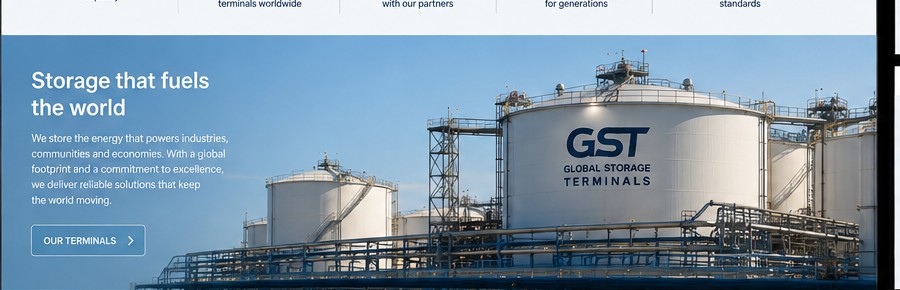
GST terminal storage tanks and above-ground transfer piping in daylight
Terminal infrastructure

Storage assets designed for safe, reliable product handling.

Tank farms, transfer systems and operating infrastructure form the physical foundation of our service model.

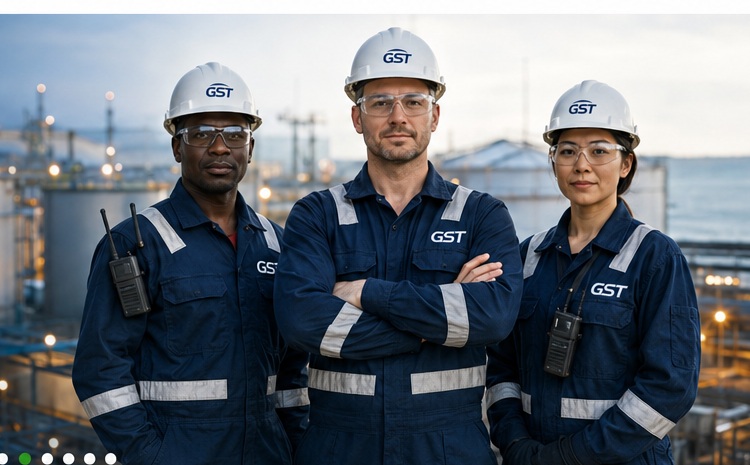
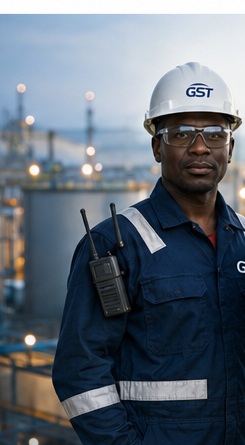
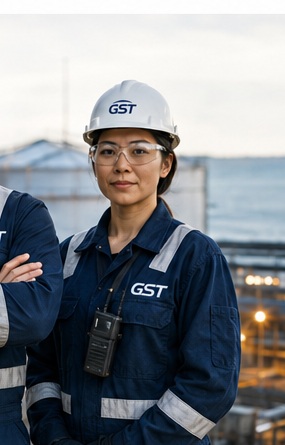
GST engineering and operations team in full protective workwear
People & engineering

Experienced people behind every operating system.

Engineering, operations and HSSE disciplines work together to protect people, assets and product integrity.

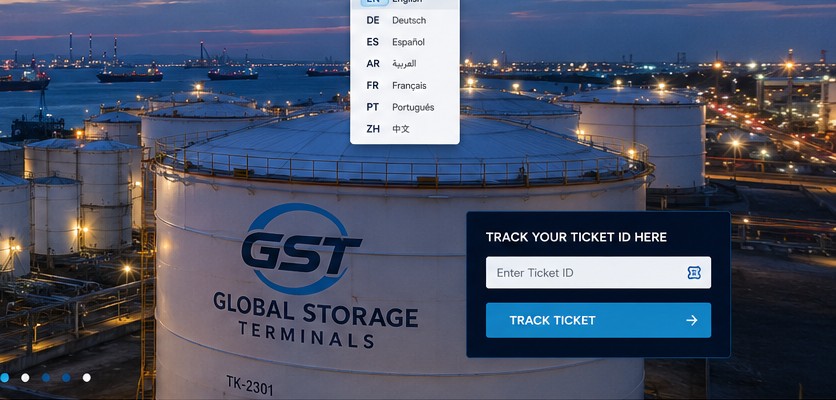
GST terminal and marine interface operating at night
Marine & logistics interfaces

Keeping bulk-liquid flows connected across the supply chain.

Our infrastructure model brings storage together with marine, pipeline, road and other logistics interfaces where required.

GST terminal engineer supervising field operations
Operational reliability

Disciplined execution from receipt through dispatch.

Operational controls, inspection, maintenance and trained personnel support consistent terminal performance.

What we do

Storage and logistics services for essential commodity flows.

GST's core activity is the provision of bulk-liquid storage infrastructure and the associated services required to receive, hold, condition, transfer and dispatch commodities safely and efficiently. Our operating concept is built around the needs of customers whose products must move between production areas, refineries, trading hubs, marine terminals, pipelines and end markets.

Depending on the terminal and commodity, our service offering can support crude oil, refined petroleum products, fuel, diesel, chemical and other compatible bulk liquids. Storage solutions can be structured around required capacity, throughput, tank specifications, product characteristics, access requirements and the customer's wider logistics chain.

Our logistics capability complements storage by coordinating the interfaces through which product enters and leaves a facility. These interfaces may include marine transfer, pipeline connectivity, road movements, loading and discharge operations, scheduling, documentation coordination and other terminal-support activities.
150M+stated storage capacity across the GST network
30+strategic terminal locations represented in the network
24/7operational mindset for critical infrastructure
End-to-endstorage, terminal handling and logistics coordination
How we operate

A connected model from storage capacity to final delivery.

We are structured around the points where physical infrastructure, commercial requirements and logistics execution meet.

Bulk-liquid storage

Tank capacity and terminal infrastructure provide customers with a controlled place to receive and hold compatible commodities while managing inventory and onward movement requirements.

Terminal handling

Receiving, transfer, loading and discharge activities are coordinated through operating procedures designed around safety, product integrity, scheduling and asset availability.

Logistics connectivity

Our model connects storage with marine, pipeline and land-based logistics interfaces so customers can plan movements across multiple stages of the physical supply chain.

Our coverage

A network designed around strategic energy and industrial markets.

Our coverage philosophy is to operate or develop terminal capacity where storage and logistics infrastructure creates meaningful value for customers. Strategic location matters because it can shorten supply chains, improve optionality, support inventory positioning and provide access to marine, pipeline, refinery and distribution corridors.

Rather than treating each terminal as an isolated tank farm, GST's model views facilities as connected nodes in broader commodity networks. This allows the business to align storage capacity with customer flows, local infrastructure, port and pipeline access, regulatory requirements and evolving market demand.

Business model

Long-term infrastructure relationships, disciplined operations and flexible customer solutions.

GST's business model is centred on infrastructure services rather than the speculative ownership of the commodities stored. Customers can contract for storage capacity and related terminal or logistics services according to their operational requirements, commercial schedules and product characteristics.

Long-term relationships are important because storage infrastructure performs best when customers, terminal teams, transport providers and counterparties can coordinate reliably over time. We therefore focus on transparent operating requirements, dependable service, asset integrity and practical solutions that can adapt as customers' flows change.

Our commercial approach is intended to balance utilization, reliability, safety, maintenance and customer flexibility while maintaining the standards required for critical energy infrastructure.

Mission & goals

Build infrastructure that earns trust and remains useful as markets change.

Our long-term ambition is to combine dependable physical infrastructure with a strong culture of safety, responsible operations and customer partnership.

Safety first

Protect people, communities, assets and the environment through rigorous HSSE practices, training, maintenance and operational discipline.

Customer reliability

Provide predictable storage and logistics services that help customers manage inventory, timing, access and changing physical-flow requirements.

Responsible growth

Develop and operate infrastructure responsibly, invest in capable people and pursue opportunities that create durable value for customers and stakeholders.

Customer decision guide

What a prospective storage customer should expect from GST.

Every requirement is different. Our commercial discussion is intended to establish the physical, operational and scheduling parameters before a storage arrangement is proposed.

Information we assess

  • Commodity type, specification and compatibility
  • Required working and maximum storage volume
  • Expected receipt and discharge rates
  • Preferred location and transport interfaces
  • Storage duration and start date
  • Marine, pipeline, road or other logistics requirements
  • Operational, documentation and compliance requirements

How the commercial process works

  1. Initial enquiry — submit your requirement through the contact form.
  2. Requirement review — the commercial team reviews commodity, volume, location and timing.
  3. Operational fit — terminal capability, interfaces and scheduling requirements are assessed.
  4. Commercial discussion — suitable capacity, services, duration and commercial structure are discussed.
  5. Documentation & onboarding — agreed terms and required due-diligence documents are completed before operations begin.
Frequently asked questions

Clear answers before you contact us.

Use these questions as a quick guide. Final availability, technical suitability and commercial terms are confirmed for each requirement.

What commodities can GST store?

Depending on terminal capability and applicable approvals, the network is designed around compatible bulk liquids including crude oil, refined petroleum products, fuels, chemicals, biofuels and other approved products. Product compatibility is assessed for each facility.

Can GST provide logistics as well as storage?

Yes. GST's service model combines storage with terminal handling and logistics coordination across applicable marine, pipeline, road and other interfaces.

Can I request a specific terminal?

Yes. Enquirers can identify a preferred market, port or terminal location. The commercial team can then assess the operational fit, capacity and access requirements.

How do I request storage capacity?

Use the Contact page and provide the commodity, capacity, preferred location, timing and logistics requirements. More complete information helps the commercial team respond efficiently.

People & operations

Engineers behind dependable terminal operations.

Our engineering and operations teams support safe, reliable and efficient terminal performance across storage, marine interfaces and logistics systems.

▣   TRACK YOUR TICKET ID HERE